

Why Financial Barriers Shouldn’t Stop Your Recovery Journey
Drug and alcohol treatment scholarship for individuals provide financial assistance to help cover the cost of rehabilitation programs for people who cannot afford treatment on their own. These scholarships are offered by non-profit organizations, treatment centers, government programs, and community groups to make recovery accessible regardless of income level.
Quick Overview: How to Access Treatment Scholarships
- Non-Profit Organizations – The Salvation Army, To Write Love on Her Arms (TWLOHA), and local community groups offer free or scholarship-funded treatment
- Government Resources – SAMHSA Block Grants and state-funded programs provide financial support through Single State Agencies
- Treatment Centers – Many rehab facilities offer their own scholarship programs for qualifying individuals
- Veterans Programs – VA Health Care provides free treatment for service-related substance use issues
- Clinical Trials – Research studies through NIDA and other institutions may offer free treatment in exchange for participation
The need for accessible treatment has never been greater. In 2020, 14.9% of people aged 12 or older—that’s 41.1 million Americans—needed substance use treatment. Yet only 1.4% (4 million people) actually received it. The biggest barrier? Cost. With 8.8% of Americans uninsured and many more underinsured, the price of rehab puts recovery out of reach for millions.
But here’s the good news: 45% of addiction treatment centers provide free or minimal payment options for people who can’t afford rehab. Every dollar invested in addiction treatment returns value through reduced crime, lower healthcare costs, and saved lives. Organizations like The Salvation Army operate more no-fee rehabilitation facilities than any other program in the U.S., while TWLOHA has donated $3 million to treatment programs since 2006.
At Sober Steps, we’ve helped thousands of individuals and families steer the complex landscape of addiction treatment and financial assistance, including connecting people with drug and alcohol treatment scholarship for individuals who need support to begin their recovery journey. Our mission is to ensure that cost never stands between you and the life-changing care you deserve.
Ready to take the first step? Get Help Now with SoberSteps—we’re here to guide you through every part of your recovery journey, including finding the financial support you need.
Understanding Drug and Alcohol Treatment Scholarships for Individuals
When facing the daunting prospect of addiction, one of the most significant problems can be the cost of treatment. This is where a drug and alcohol treatment scholarship for individuals can become a true lifeline. These scholarships are essentially grants or financial aid specifically designated to cover some or all of the expenses associated with addiction recovery programs. They are designed for people who desperately need help but lack the financial resources to access it.

The statistics paint a clear picture of the need. In 2020, a staggering 41.1 million people aged 12 or older in the U.S. needed substance use treatment. Yet, only a fraction—4 million—actually received it. This massive treatment gap is often attributed to cost barriers, with 8.8% of the population lacking health insurance in 2017. Even for those with insurance, high deductibles, co-pays, or limited coverage for mental health and substance abuse services can make quality treatment seem unattainable.
However, we believe that financial limitations should never be a barrier to recovery. That’s why we champion the availability and accessibility of scholarships. The good news is that many facilities recognize this challenge: the National Survey of Substance Abuse Treatment Services (N-SSATS) 2018 found that 45% of centers provided free or minimal payment treatment for people who could not afford rehab. These programs are often supported by government funding, charitable donations, and private endowments, underscoring a collective commitment to making recovery possible for everyone.
A drug and alcohol treatment scholarship for individuals doesn’t just benefit the recipient; it creates a ripple effect. Every dollar invested in addiction treatment programs yields significant returns in areas like reduced drug-related crime, theft, and healthcare costs. It’s an investment in healthier individuals, stronger families, and more vibrant communities.
At SoberSteps, we understand that navigating the financial aspects of treatment can be overwhelming. We’re here to help you explore every avenue, from understanding insurance to finding scholarships. Learn more about your options with our comprehensive guide to paying for rehab. For those looking for alternatives, our guide on No Cost Big Impact: Finding Free Addiction Help also provides valuable insights.
Types of Programs Covered by Addiction Scholarships
Drug and alcohol treatment scholarship for individuals can cover a wide range of addiction treatment programs, designed to meet diverse needs and stages of recovery. The specific types of programs covered will vary depending on the scholarship provider and the treatment center, but generally, they aim to support comprehensive care.
Here are the typical types of addiction treatment programs that these scholarships may cover:
- Inpatient or Residential Treatment: This involves living at a treatment facility 24/7, providing a structured and immersive environment away from triggers and distractions. Scholarships often cover the full cost of stay, including therapy, medical care, meals, and accommodation. We offer extensive resources on Inpatient Drug Rehab to help you understand this option.
- Outpatient Programs: For individuals who require flexibility to maintain work, school, or family responsibilities, outpatient programs allow them to attend therapy and treatment sessions during the day or evening while living at home. This can range from standard Outpatient care to more intensive options like Intensive Outpatient Programs (IOP) or Partial Hospitalization Programs (PHP).
- Detoxification Services: Often the first critical step in recovery, detox helps manage withdrawal symptoms safely under medical supervision. Scholarships can cover the cost of medically assisted detox, which is crucial for preventing complications and setting the stage for further treatment.
- Medication-Assisted Treatment (MAT): This approach combines FDA-approved medications with counseling and behavioral therapies to treat substance use disorders. Scholarships can help cover the cost of medications and the associated therapeutic support. Find more about MAT Explained: A Path to Healing from Addiction.
- Therapy and Counseling: Many scholarships specifically fund individual therapy, group therapy, family counseling, and other behavioral health services that are central to long-term recovery.
- Aftercare and Sober Living: Some scholarships extend to cover sober living arrangements or ongoing aftercare support, which are vital for transitioning back into daily life and maintaining sobriety.
The goal of these scholarships is to provide access to the most appropriate level of care for each individual’s unique situation. When searching for a drug and alcohol treatment scholarship for individuals, it’s important to clarify what specific services and programs the scholarship can be applied to.
To explore the various care options available, find the levels of care available at SoberSteps. We’re committed to helping you find the right fit for your recovery journey.
7 Tips for Finding and Applying for Scholarships
Finding a drug and alcohol treatment scholarship for individuals might seem like searching for a needle in a haystack, but with the right approach, it’s entirely possible. Many organizations are dedicated to helping people access the treatment they need, and we’re here to guide you through the process.
Here are our top 7 tips to help you find and successfully apply for these life-changing opportunities:
Need help with your application? Contact our team for personalized support. We can help you understand the requirements and steer the process. For a broader understanding of how to begin your search, check out our guide on How to Find Rehab. When you’re ready, you can always Get Help Now through SoberSteps.
Tip 1: Search Non-Profit and Community-Based Organizations
Non-profit organizations and community groups are often at the forefront of providing financial assistance for addiction treatment. These groups are driven by a mission to help and typically have programs specifically designed to support individuals who can’t afford care.
- The Salvation Army: This international faith-based non-profit is a major player, operating more no-fee rehabilitation facilities than any other program in the U.S. Their Adult Rehabilitation Centers provide comprehensive programs.
- To Write Love on Her Arms (TWLOHA): Since its founding in 2006, TWLOHA has donated $3 million to treatment and recovery programs, assisting those struggling with addiction, depression, and suicidal thoughts. They fund programs that offer direct help.
- Phoenix House: Operating across the U.S., Phoenix House aims to make treatment available to those who need it. They offer sliding scale payment plans and provide therapy for those qualifying for grants and state funding.
- 10000 Beds: Founded in 2014, this non-profit works with rehab centers nationwide to provide 100% donated scholarships to qualifying applicants. They are specifically focused on providing “beds” or treatment slots.
- Local Community Organizations: Many smaller, local non-profits, faith-based groups, and charitable foundations offer grants or scholarships. These might not have a national presence but can be invaluable resources within your community. Don’t overlook them!
Exploring these organizations is a crucial step. Many are eager to help and just need to know you’re looking. Explore our community support resources for more information.
Tip 2: Use Government and State Resources
The U.S. government and state agencies are significant sources of funding and information for addiction treatment. They recognize the public health crisis of substance abuse and have established programs to address it, including financial aid.
- SAMHSA Block Grants: The Substance Abuse and Mental Health Services Administration (SAMHSA) offers block grants to states to fund treatment for individuals without insurance or whose treatment is not covered by Medicaid, Medicare, or private health insurance. These grants are distributed to state agencies, which then allocate funds to treatment providers.
- SAMHSA Behavioral Health Treatment Services Locator: This invaluable online tool allows you to search for state-funded rehab centers near you. It’s a great starting point to find facilities that receive government support and may offer reduced-cost or free treatment. You can access it directly at the SAMHSA Treatment Services Locator. Alternatively, you can call their free helpline at 1-800-662-HELP (4357).
- Single State Agencies (SSAs) for Substance Use Services: Each state has a designated agency responsible for planning, developing, and overseeing its substance use services. These SSAs can provide an online directory to help you find government agencies that deliver rehabilitation programs, often targeting those with low incomes or no insurance coverage in your state. Find your state’s SSA through Single State Agencies (SSAs).
- Veterans Affairs Health Care: If you are a veteran, the VA provides comprehensive treatment for substance use disorders. Drug treatment related to military service is often free. This is a critical resource for our service members.
These government avenues are designed to ensure that those in need, especially the most vulnerable, can access care. For more immediate assistance, find more on emergency support for substance abuse. Our National Addiction Helpline Guide 2026 can also connect you to vital resources.
Tip 3: Explore Clinical Trials and Research-Based Free Care
Sometimes, the path to treatment can lead through scientific research. Clinical trials often provide free or low-cost treatment for participants, offering an opportunity to receive cutting-edge care while contributing to scientific advancements.
- National Institute on Drug Abuse (NIDA): NIDA and other research bodies frequently fund clinical trials that study new or improved drug and alcohol addiction treatments. These studies often cover the cost of treatment for participants, as part of their research protocol.
- How to Find Them: Websites like ClinicalTrials.gov are comprehensive databases of publicly and privately funded clinical studies conducted around the world. You can search for addiction treatment trials in your area that may offer free care. For example, a study like “Developing Adaptive Interventions for Cocaine Cessation and Relapse Prevention” enrolled 160 patients, providing them with treatment while gathering valuable data.
Participating in a clinical trial can be a win-win: you receive treatment you might not otherwise afford, and you help advance our understanding of addiction and recovery. Learn about innovative treatment options that might be available through such trials.
Tip 4: Apply Directly to Treatment Centers
Many addiction treatment centers, recognizing the financial barriers their clients face, offer their own scholarship programs or sliding scale fees. They often set aside a certain number of beds or treatment slots specifically for individuals who demonstrate financial need.
- Why Direct Application? Applying directly shows initiative and a strong desire for treatment. Centers are often more willing to work with individuals who reach out to them directly and express their commitment to recovery.
- How to Inquire: When researching treatment facilities, always ask about their financial assistance options. Inquire about:
- Scholarship programs they may offer.
- Sliding scale fees based on income.
- Payment plans or deferred payment options.
- Any partnerships they have with non-profits that provide funding.
- SoberSteps’ Commitment: At SoberSteps, we work with a network of treatment providers, many of whom offer various forms of financial aid. We can help you connect with centers that provide drug and alcohol treatment scholarship for individuals.
Don’t assume a center is out of reach until you’ve spoken with their admissions or financial aid department. They are often your best advocates. To start your search, explore How to Find Rehab.
Ready to explore your options with us? Apply for a SoberSteps scholarship today.
Tip 5: Leverage Support from Recovery Networks
The recovery community is a powerful network of individuals committed to helping each other. This often extends to practical support like identifying and accessing financial aid for treatment.
- Peer Support Groups: Organizations like Alcoholics Anonymous (A.A.) and Narcotics Anonymous (N.A.) are invaluable resources. While their meetings are typically free, members often share information about local resources, including treatment scholarships or low-cost options they’ve encountered. These groups provide mentors and support to guide people through recovery.
- Alumni Networks: Many treatment centers have strong alumni networks. These groups are often passionate about helping new individuals enter recovery and may have established funds or be aware of scholarship opportunities. They understand the journey and the financial challenges firsthand.
- Recovery Organizations: Groups like Release Athletics focus on sustained sobriety through community and mentorship, including structured wellness programs, peer mentorship, and alumni engagement. While not direct scholarship providers themselves, they foster an environment where information about financial aid circulates freely among those committed to recovery.
Connecting with these networks can open doors to information and opportunities you might not find elsewhere. The power of shared experience and mutual aid in recovery is immense. Build your support system by exploring our guide on Support Squad: Crafting Your Ultimate Recovery Network.
Tip 6: Check for State and Federal Grants
Beyond the SAMHSA Block Grants mentioned earlier, various state and federal programs exist to expand access to addiction treatment. These grants are typically awarded to state agencies or specific treatment providers, who then use the funds to offer services at reduced or no cost.
- State-Funded Programs: Many states operate their own substance abuse agencies and programs. These often target specific populations (e.g., pregnant women, adolescents, individuals with co-occurring mental health disorders) or geographic areas with high need. By contacting your Single State Agency (SSA) (as mentioned in Tip 2), you can learn about state-specific funding opportunities.
- Federal Initiatives: Beyond SAMHSA, other federal departments may have grant programs that indirectly support treatment access. Keeping an eye on national health initiatives and funding announcements can be helpful.
- How They Work for Individuals: While individuals typically don’t apply directly for these large grants, they benefit by accessing treatment at facilities that receive this funding. These facilities can then offer free or significantly reduced-cost services, effectively functioning as a drug and alcohol treatment scholarship for individuals that the facility manages.
Understanding that these larger funding streams exist helps you target facilities that are more likely to have the capacity to offer financial aid. For a broader overview of the treatment landscape, read our guide Unpacking Rehab: Everything You Need to Know About Drug Rehabilitation.
Tip 7: Prepare a Strong Application
Just like applying for a college scholarship, securing a drug and alcohol treatment scholarship for individuals often requires a thoughtful and complete application. The more effort you put into presenting your case, the higher your chances of success.
- Personal Essays: Many scholarship applications will ask for a personal essay. This is your opportunity to share your story, explain your commitment to recovery, and articulate why you need financial assistance. Be honest, heartfelt, and clear about your goals. For instance, some scholarships, like those focused on specific therapeutic modalities, might require an essay reflecting on particular concepts.
- Financial Documentation: Be prepared to provide proof of income, tax returns, bank statements, and information about your insurance coverage (or lack thereof). This helps scholarship committees verify your financial need.
- Letters of Recommendation: A letter from a doctor, therapist, social worker, community leader, or even a trusted friend or family member who can speak to your commitment to recovery and your need for support can significantly strengthen your application.
- Proof of Need and Commitment: Demonstrate that you are serious about recovery. This might involve showing you’ve already sought initial help, participated in support groups, or have a clear plan for your treatment.
A well-prepared application can make all the difference. These scholarships are competitive, and a compelling story backed by solid documentation can set you apart. For guidance on financial planning for treatment, refer to How do I pay for addiction treatment?.
Need help with your essay? Contact us for tips and support. We’re here to help you present your best self to scholarship committees.
The Pros and Cons of Using a Scholarship for Recovery
Deciding to pursue a drug and alcohol treatment scholarship for individuals is a significant step, and it’s helpful to understand both the advantages and potential drawbacks. While scholarships open the door to treatment for many, it’s wise to go in with a clear understanding of what to expect.
| Feature | Private Pay Treatment | Scholarship-Funded Treatment |
|---|---|---|
| Cost | Full cost, potentially covered by comprehensive insurance | Reduced or no cost, covered by scholarship/grant |
| Availability | Immediate access, wide choice of programs | May involve waiting lists, fewer program choices |
| Treatment Quality | Often cutting-edge, personalized attention | Evidence-based, but potentially larger groups, basic facilities |
| Amenities | Luxury options, private rooms, specialized therapies | More basic, focus on core treatment services |
| Flexibility | High flexibility in program customization | Less flexibility, adherence to scholarship terms |
| Barriers | Financial burden, insurance navigation | Application process, potential waiting times |
Advantages of Scholarships
- Access to Life-Saving Treatment: The most obvious benefit is gaining access to treatment that would otherwise be financially out of reach. This directly addresses the cost barrier that prevents millions from getting help.
- Reduced Financial Burden: Alleviating the financial stress allows individuals to focus entirely on their recovery without the added worry of mounting bills. This can be a huge factor in successful treatment.
- Evidence-Based Care: Even free or scholarship-funded programs typically follow evidence-based treatment plans, ensuring that recipients receive effective care.
- Community Support: Many scholarship programs are offered by organizations deeply embedded in the recovery community, providing an immediate network of support.
Disadvantages and Limitations
- Waiting Lists: One of the most significant drawbacks of free or scholarship-funded treatment, especially for state-funded or highly popular non-profit programs, can be long waiting lists. Studies have shown that waiting to start rehab treatment increases the risk of drug problems and the chance of overdose. This delay can be dangerous for someone in active addiction. Our Emergency Support: Getting Help for Substance Abuse Today guide highlights the urgency of immediate care.
- Less Cutting-Edge Options: While effective, the addiction treatment on offer may not be as specialized or cutting-edge as those found in private, high-cost facilities.
- Larger Group Sizes: Free or low-cost programs might have larger group sizes, potentially meaning less one-on-one attention from therapists compared to more exclusive programs.
- Basic Facilities: The amenities at scholarship-funded centers might be more basic, focusing on the core aspects of treatment rather than luxury comforts.
Despite these potential limitations, the benefits of accessing any form of professional addiction treatment far outweigh the risks of remaining in active addiction. The key is to be informed and proactive in your search. For a comprehensive look at treatment options, check out Unpacking Rehab: Everything You Need to Know About Drug Rehabilitation.
Read addiction success stories from our community to see how various paths to recovery, including financially supported ones, can lead to lasting sobriety.
Navigating the Application Process for a Drug and Alcohol Treatment Scholarship for Individuals
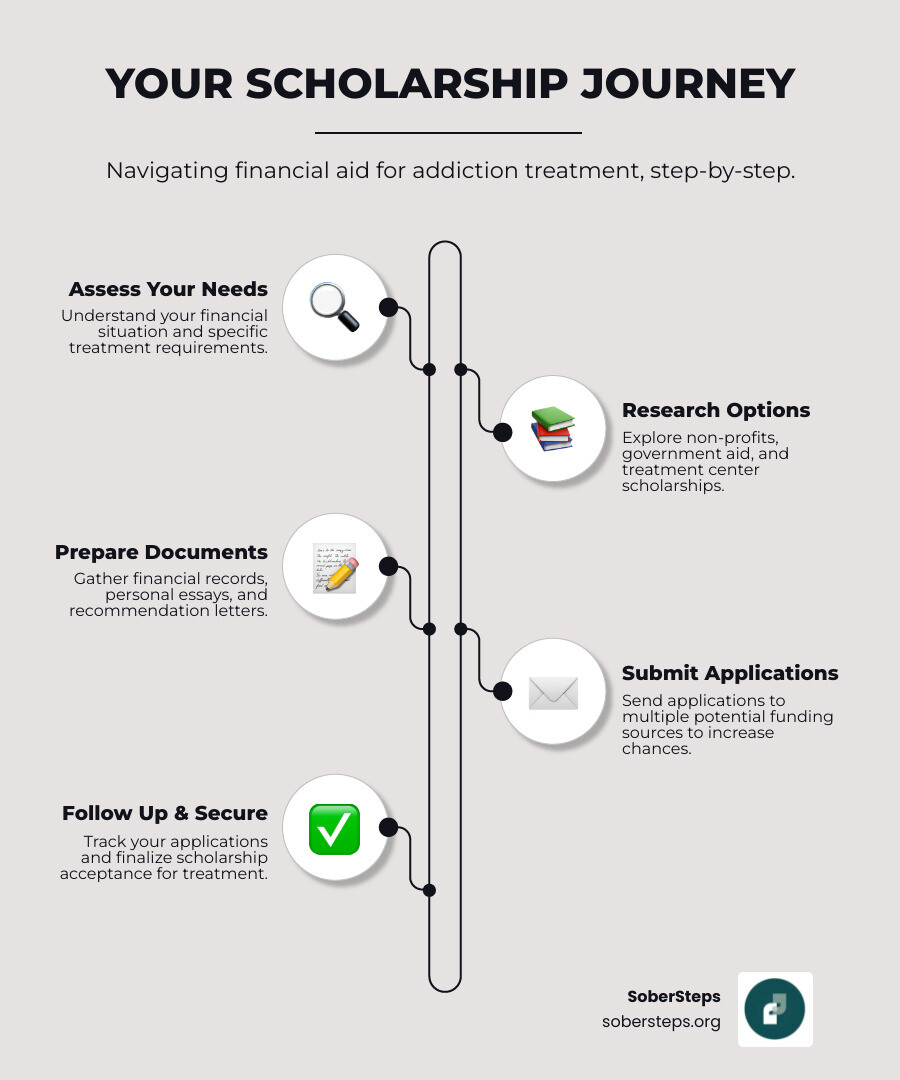
The application process for a drug and alcohol treatment scholarship for individuals typically involves several key steps. While specific requirements vary by provider, preparing thoroughly can significantly improve your chances.
- Identify Your Needs: Before applying, understand what type of treatment you need (inpatient, outpatient, detox, etc.) and for how long. This will help you target appropriate scholarships.
- Research Providers: As outlined in our 7 tips, identify non-profits, government agencies, and treatment centers that offer scholarships.
- Gather Documentation:
- Proof of Identity: Government-issued ID.
- Financial Information: Pay stubs, tax returns, bank statements, proof of unemployment, or disability benefits. This is crucial for demonstrating financial need.
- Insurance Information: Details of any existing health insurance, including what it covers (or doesn’t cover) for addiction treatment.
- Medical History: Documentation from a doctor or therapist confirming your substance use disorder and the need for treatment.
- Personal Statement/Essay: Many applications require a personal essay where you explain your addiction journey, your commitment to recovery, and how the scholarship will help you achieve sobriety. Be honest, vulnerable, and articulate your desire for change.
- Letters of Recommendation: Some programs may ask for letters from professionals (doctors, counselors, social workers) or community leaders who can vouch for your character and commitment to recovery.
- Interviews: You may be required to participate in an interview, either in person or virtually, to discuss your application further.
While some scholarships, like the Addiction Professionals Scholarship Program (which is for individuals pursuing careers in addiction services), have very specific criteria, scholarships for direct treatment will focus on your need and commitment to recovery. The key is to be diligent and persistent. We understand this can be a lot to handle, especially when struggling. Our guide on How do I pay for addiction treatment? offers broader advice that can be applied here.
Ready to take the next step? Start your application with SoberSteps, and we’ll help connect you with providers and resources.
Impact of Financial Aid on the Recovery Community
The availability of a drug and alcohol treatment scholarship for individuals extends far beyond the personal change of the recipient. It creates a profound and positive ripple effect throughout families, communities, and society at large.
- Breaking the Cycle of Addiction: For individuals, financial aid means the opportunity to break free from the cycle of addiction, rebuild their lives, and become productive members of society. This personal victory empowers them to pursue education, careers, and healthy relationships. Our Addiction Success Stories are filled with examples of lives transformed because treatment became accessible.
- Strengthening Families: Addiction often devastates families. When a loved one receives treatment through a scholarship, it allows for healing, reconciliation, and the restoration of family bonds. Children benefit from having a sober parent, and partners can rebuild trust. The Support Squad: Crafting Your Ultimate Recovery Network highlights the importance of this familial and community support.
- Economic Benefits: As noted earlier, every dollar invested in addiction treatment programs yields a return in reduced drug-related crime, theft, and healthcare costs. When more people enter recovery, there’s less strain on the criminal justice system, emergency services, and public health resources. Programs like SAMHSA Block Grants are a testament to the government’s recognition of this broader economic impact.
- Community Revitalization: A community with more individuals in recovery is a healthier, safer, and more productive community. Reduced crime rates, increased workforce participation, and improved public health contribute to a more vibrant social fabric.
- Reducing Stigma: By making treatment more accessible, scholarships help normalize the idea of seeking help for addiction, contributing to a reduction in the stigma surrounding substance use disorders. This encourages more people to come forward and seek the care they need.
Financial aid is not merely charity; it’s a strategic investment in human potential and societal well-being. It underscores the belief that recovery is possible for everyone, given the right support and resources. See how financial aid changes lives through the powerful testimonials of those who have found recovery.
Eligibility Requirements for a Drug and Alcohol Treatment Scholarship for Individuals
While specific criteria for a drug and alcohol treatment scholarship for individuals will vary between providers, there are common eligibility requirements that you can generally expect. Understanding these can help you determine if you qualify and what documentation you’ll need to prepare.
- Demonstrated Financial Need: This is almost always the primary requirement. Scholarship providers want to ensure their funds go to those who genuinely cannot afford treatment otherwise. You’ll typically need to provide income verification, tax returns, and other financial statements.
- U.S. Residency: Since SoberSteps operates in the United States, most scholarships we help connect individuals with will require proof of U.S. residency or citizenship.
- Lack of Adequate Insurance Coverage: Many scholarships are specifically for individuals who are uninsured, underinsured, or whose insurance plan does not cover the full cost of the necessary treatment. You may need to provide proof of insurance status and coverage details. Our Mental Health Insurance: Complete Guide can help you understand your current coverage.
- Diagnosis of a Substance Use Disorder: You will need a formal diagnosis from a qualified medical professional confirming your need for addiction treatment.
- Commitment to Recovery: Providers look for individuals who are genuinely motivated and committed to engaging in the treatment process. This might be demonstrated through a personal essay, past attempts at recovery, or a strong support system.
- Specific Demographics: Some scholarships are custom to specific groups, such as:
- Veterans: Veterans Affairs Health Care offers free treatment for service-related substance use disorders.
- Parents/Guardians: Some programs prioritize individuals with dependents.
- Specific Substances: A scholarship might be dedicated to opioid addiction, for example.
- Geographic Location: Local non-profits may have residency requirements for a particular city or state.
It’s crucial to carefully review the eligibility requirements for each scholarship you consider. If you’re unsure, don’t hesitate to reach out to the scholarship provider or the treatment center directly for clarification. Knowledge is power when it comes to securing the help you need.
Frequently Asked Questions about Addiction Scholarships
We often hear similar questions from individuals and families exploring financial aid for addiction treatment. Here are some of the most common ones, along with our expert answers.
What do treatment scholarships typically cover?
A drug and alcohol treatment scholarship for individuals typically covers the direct costs associated with the treatment program itself. This can include:
- Program Fees: The core cost of participation in inpatient, outpatient, or intensive outpatient programs.
- Accommodation and Meals: For residential programs, scholarships often cover room and board.
- Therapy and Counseling: Individual, group, and family therapy sessions.
- Medical Services: Detoxification, medication-assisted treatment (MAT), and medical supervision during the program.
- Educational Materials: Resources and workbooks used during treatment.
What’s usually not covered are personal expenses outside of the program, travel to and from the facility (though some might offer assistance), or ongoing costs of living if you’re in an outpatient setting.
Are there long waiting lists for scholarship-funded beds?
Unfortunately, yes, long waiting lists can be a reality for some scholarship-funded or free treatment programs, especially those that are highly sought after or state-funded. This is one of the most significant challenges in accessing care. As our research indicates, waiting to start rehab treatment increases the risk of drug problems and the chance of overdose.
To mitigate this, we recommend:
- Applying to multiple programs: Don’t put all your eggs in one basket.
- Being flexible: Consider different types of programs or locations if possible.
- Seeking interim support: While waiting, engage in free support groups like A.A. or N.A., or connect with a recovery coach to maintain motivation and support.
- Prioritizing immediate needs: If you’re in a crisis, seek emergency support regardless of financial constraints, as outlined in our Emergency Support: Getting Help for Substance Abuse Today guide.
Can I apply for a scholarship if I have basic insurance?
Yes, absolutely! While many drug and alcohol treatment scholarship for individuals are aimed at the uninsured, you can still apply if you have basic insurance. Often, basic insurance plans may not cover the full cost of a comprehensive treatment program, or they might have high deductibles and co-pays that make treatment unaffordable.
In such cases, a scholarship can act as a crucial supplement, covering the remaining balance that your insurance doesn’t, or helping with out-of-pocket expenses. It’s always worth inquiring with both the scholarship provider and your insurance company to understand what’s covered and where a scholarship can fill the gap. Our Mental Health Insurance: Complete Guide can help you steer your policy.
Still have questions? Contact SoberSteps for answers. Our confidential helpline can connect you with experts who can address your specific concerns.
Conclusion
The journey to recovery is one of the most courageous steps an individual can take, and financial barriers should never stand in the way of achieving lasting sobriety. A drug and alcohol treatment scholarship for individuals is a powerful tool designed to bridge the gap between the critical need for treatment and the ability to afford it.
We’ve seen countless lives transformed through these opportunities, proving that with determination and the right resources, recovery is always within reach. From non-profit organizations and government programs to clinical trials and direct facility scholarships, there are numerous avenues to explore. While the process may require diligence and patience, the reward of a healthier, sober life is immeasurable.
At SoberSteps, we are more than just an information platform; we are a partner in your recovery journey. We are dedicated to helping you steer the complexities of finding treatment, understanding financial options, and connecting with providers who can offer the life-changing care you deserve. We believe in the power of every individual to reclaim their life from addiction and are committed to making that belief a reality.
Don’t let finances stand in the way of recovery—start your journey today with SoberSteps. Your path to healing begins now.